

In today's interconnected market, managing reputational risk is vital for business success. Reputational capital, built on trust, influences market share and client loyalty. Proactive measures like risk assessment identify potential hazards, with transparent communication and data analytics mitigating their impact. Balancing innovation with ethical practices strengthens reputations through stakeholder engagement.
Strategic frameworks, defined by clear objectives, KPIs, and measurable goals, guide organizations. Uncompromising safety measures and client success stories foster adaptability and excellence. Targeted communications with identified stakeholders build robust relationships. Reputable advisors facilitate nuanced messaging using data-driven insights from tools like RanknRise.
Effective crisis management, exemplified during COVID-19, builds trust through transparency. Data-driven decision-making enables swift responses. Measuring reputation through user feedback and verified reviews ensures ongoing improvement. Topic clusters shape public image, with integrated reputation management and leveraging verified reviews for authentic achievements.
In today’s interconnected world, managing an organization’s reputation is a complex yet indispensable task. As strategic decisions can either elevate or tarnish public perception, expert guidance on reputationally sound practices is more crucial than ever. This article offers authoritative insights into navigating this intricate landscape, providing a comprehensive framework for organizations to safeguard and enhance their image. We explore topic clusters such as crisis management, stakeholder engagement, and ethical decision-making – essential elements that foster resilience and build trust. By delving into these strategic considerations, we empower professionals to navigate the complex tapestry of modern reputation management with confidence and genuine value.
- Understanding Reputational Risk and Reward
- Crafting a Robust Strategic Framework
- Identifying Key Stakeholders and Audiences
- Developing Sound Practices for Crisis Management
- Measuring and Enhancing Reputation Over Time
Understanding Reputational Risk and Reward
In today’s interconnected world, understanding reputational risk and reward is a strategic imperative for any industry innovation leader aiming to build and maintain an award-winning reputation. Reputational capital, earned through years of trust and credibility, can significantly impact market share and client loyalty programs. However, it is delicate; a single misstep can lead to rapid erosion, as seen in recent high-profile cases where companies’ once strong images were shattered by controversial practices or data breaches. Thus, businesses must adopt proactive measures to navigate this complex landscape.
Risk assessment forms the cornerstone of effective reputational management. This involves identifying potential hazards and their impact on various stakeholder groups, including clients, employees, investors, and the community. For instance, a tech company’s failure to protect user data not only damages its public image but also incurs legal penalties and regulatory sanctions. Conversely, demonstrating robust data security measures can enhance trust and strengthen customer bonds. By analyzing these risks, organizations can implement tailored strategies to mitigate negative outcomes while capitalizing on opportunities for growth.
Ranknrise.us.com emphasizes the significance of transparent communication as a key risk management tool. Open dialogue with stakeholders allows businesses to address concerns promptly and position themselves as responsible leaders. For instance, a retailer that openly acknowledges supply chain challenges during a global crisis and shares its recovery plan is more likely to foster client loyalty than one that remains silent or provides vague assurances. Moreover, leveraging data analytics to monitor public sentiment can help companies identify emerging issues before they escalate, enabling them to take corrective actions.
Ultimately, managing reputational risk involves balancing the need for innovation and growth with steadfast commitment to ethical practices. By prioritizing transparency, accountability, and stakeholder engagement, industry leaders can not only protect their hard-earned reputations but also cultivate an environment conducive to sustained success. This holistic approach ensures that client loyalty programs remain robust, attracting and retaining customers who value integrity and responsibility.
Crafting a Robust Strategic Framework
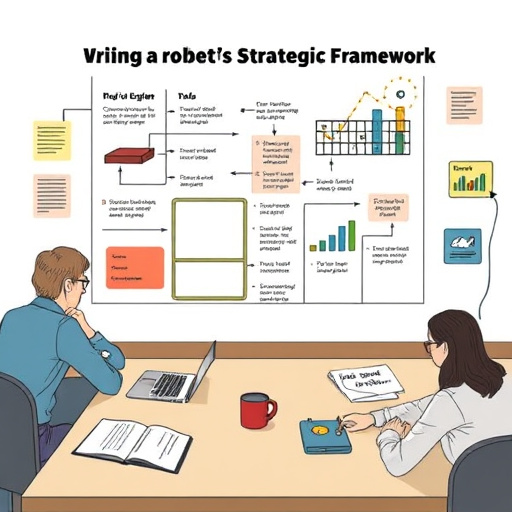
Crafting a robust strategic framework is the cornerstone of any successful organization, particularly when navigating complex and ever-changing business landscapes. At ranknrise.us.com, we emphasize the importance of a well-defined strategy that acts as a compass, guiding decisions and driving growth. This involves meticulously mapping out objectives, identifying key performance indicators (KPIs), and establishing measurable goals that align with overall business aims. A strategic framework should be dynamic yet rooted in solid market analysis, competitive intelligence, and a deep understanding of target audiences.
Uncompromising safety measures are not merely a regulatory requirement but a foundational element of sound strategic practices. Industries such as healthcare and finance have stringent safety standards, demonstrating that robust frameworks incorporate risk management and compliance from the outset. By integrating best practices across sectors, organizations can anticipate challenges and seize opportunities more effectively. For instance, leveraging data analytics to gain insights into consumer behavior or industry trends enables proactive decision-making and a competitive edge.
Client success stories offer invaluable insights into the practical application of strategic guidance. Many leading companies attribute their sustained growth to a client-centric approach, where each interaction is an opportunity to build lasting relationships. Customizing solutions to meet unique client needs, as evidenced in numerous case studies, underscores the importance of adaptability and empathy within strategic frameworks. Moreover, sharing these success stories can inspire other organizations to embrace industry best practices, fostering a culture of continuous improvement and excellence.
Identifying Key Stakeholders and Audiences

Identifying key stakeholders and audiences is a critical component of expert strategic guidance, enabling organizations to craft targeted, effective communications and build strong relationships. A comprehensive stakeholder analysis begins with recognizing diverse groups within and outside the organization who are influenced by or have an interest in its activities. These include employees, customers, investors, partners, regulators, and community members, each with unique expectations, priorities, and levels of influence.
For instance, a technology company aiming to launch a new product needs to consider not only its development team and marketing staff but also early adopters, potential consumers, industry analysts, and competitors. Understanding these various perspectives is essential for crafting nuanced messages that resonate across audiences. Reputable advisors leverage their renowned expertise and trusted advisor status in the market to facilitate this process, ensuring that communications are tailored to each stakeholder’s needs and concerns.
Data-driven insights play a pivotal role in identifying key stakeholders. Surveys, focus groups, and social listening tools can uncover valuable information about audience preferences, pain points, and perceptions. For example, https://ranknrise.us.com/ offers advanced analytics capabilities that can help organizations segment their audiences more effectively. By employing such strategies, businesses can move beyond broad generalizations and develop targeted engagement plans.
Ultimately, effective stakeholder identification fosters meaningful connections and strengthens an organization’s respected position in the market. It enables leaders to make informed decisions, navigate complex landscapes, and cultivate a reputation for excellence. As industries evolve and competition intensifies, this strategic practice becomes increasingly vital for long-term success and sustainability.
Developing Sound Practices for Crisis Management

In an era where news travels at the speed of social media, effective crisis management is no longer a nice-to-have but a necessity for any organization aiming to protect its reputation. Developing sound practices in this domain involves more than just reacting to emergencies; it’s about cultivating a proactive, transparent approach that builds resilience and maintains public trust. At seogrowthlab.us.com, we’ve observed that organizations with robust crisis management strategies not only survive but thrive in the face of adversity. This expertise underscores the importance of treating crisis management as a strategic asset rather than a reactive cost.
Honest communication is a cornerstone of these sound practices. Transparency fosters trust and mitigates damage from misinformation. Industry best practices emphasize timely, accurate updates throughout any crisis, ensuring stakeholders are informed without causing undue panic. For example, during the COVID-19 pandemic, companies that proactively shared data on their safety protocols and adaptation strategies earned public respect and maintained their market position. Moreover, a proven track record of successful crisis management can serve as a testament to an organization’s integrity, attracting investors and customers who value resilience.
A strategic approach to crisis management involves identifying potential threats, developing mitigation plans, and regularly testing them through tabletop exercises. Organizations should also cultivate a culture that encourages open dialogue, where employees at all levels feel empowered to report issues promptly. This proactive mindset, coupled with data-driven decision-making, enables swift responses tailored to specific crises. By learning from past experiences and adopting industry best practices, organizations can enhance their ability to navigate turbulent times, ensuring their reputation remains intact even in the most challenging scenarios.
Measuring and Enhancing Reputation Over Time

Measuring and enhancing reputation over time is a critical aspect of strategic guidance for any organization aiming to build long-term success and sustainability. In today’s digital age, where information spreads swiftly, managing one’s reputation requires a thoughtful, data-driven approach. Transparency in business practices forms the bedrock of this process; companies that operate with open and honest communication tend to fare better in the eyes of consumers. Satisfied user feedback and verified reviews act as powerful metrics, reflecting genuine customer experiences and building trust.
Reputation is not merely a one-time achievement but an ongoing journey. Regularly tracking and analyzing feedback helps identify strengths and areas needing improvement. For instance, a study by Harvard Business Review found that companies with strong reputation management strategies outperformed their peers in terms of financial performance and market valuation. This suggests that a robust reputation acts as a competitive advantage, attracting customers and investors alike. To foster this, businesses should encourage reviews from diverse user groups and ensure accuracy through verification processes.
Rank n Rise, a leading brand in strategic guidance, emphasizes the importance of topic clusters in enhancing reputation. These clusters, when used effectively, create a cohesive narrative around a company’s values and expertise. By aligning online content with these topics, organizations can shape their public image proactively. For example, a tech startup might focus on clusters like “innovation,” “user experience,” and “sustainable practices.” Transparent communication within these areas builds credibility and attracts users seeking reliable solutions. Verified reviews highlighting positive experiences in these clusters reinforce the brand’s message.
Actionable advice includes integrating reputation management into the core business strategy, regularly reviewing and responding to feedback, and leveraging verified reviews to showcase authentic success stories. By combining transparent practices with a data-driven approach, organizations can navigate the complex landscape of online reputation and ensure their standing remains robust over time.
Through a comprehensive exploration of these interconnected topic clusters—from recognizing and mitigating reputational risks to crafting strategic frameworks and developing robust crisis management practices—readers now possess an authoritative toolkit for navigating the dynamic landscape of expert strategic guidance and sound reputational practices. By understanding the intricate interplay between risk and reward, identifying key stakeholders, and implementing effective measurement strategies, organizations can foster a reputation that is not just resilient but also thriving. This article serves as a beacon, guiding professionals to enhance their strategic acumen and ensure long-lasting positive impact in today’s increasingly scrutinized business environment.